Showing posts with label PAIN. Show all posts

Monday, July 21, 2014

How to Treat a Headache without Medication

migraine
Headache pain can range from a mild irritation to teeth-grinding, day-stopping pain that makes normal function impossible. When suffering headache pain, your first impulse may be to reach for medication, but did you know there are several effective methods of treating headaches naturally? The next time headache pain strikes try these suggestions for treating it without medication.

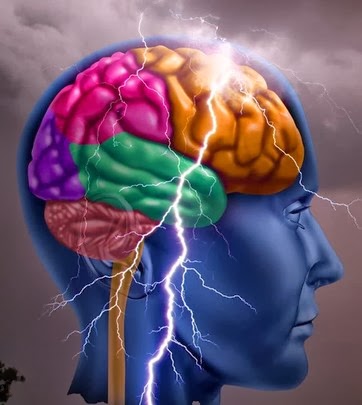
The cause of your headache pain can help determine the simplest way of treating it without medication. One interesting tidbit: no matter what the underlying cause, new research suggests that disrupted electrical activity in the brain may be the ultimate trigger of headache pain.

Some of the most common reasons for headache pain are:

·         Hunger
·         Anxiety and muscle tension
·         Physical exhaustion brought on by insomnia or overwork
·         Eyestrain caused by too many hours at the computer or poor lighting in your work/study area
·         Sinus or allergy triggers
·         Migraine symptoms

Treating headache pain with self-care techniques, rather than medication, can be quite effective. Simple acupressure techniques such as pressing your thumbs against the base of the skull while gently dropping the head back then forward, may relieve the tension that has disrupted the brain’s activity. Massaging the neck, jaw, and forehead can also be helpful.

Another way to find relief from headache pain is by simply taking a nap or sitting quietly in a darkened room over a lunch hour. Others find relief through meditation or relaxation exercises that reduce mental and physical tension. One more time-honored way to relieve headache pain is to apply heat or cold to the forehead and back of the neck.

For headache pain that persists, you may need to seek professional help. Once it’s been determined there isn’t an illness or injury causing the headaches to reappear, there are a number of non-medication based methods they might prescribe for relieving headache pain.

A chiropractor might, for example, use adjustment, massage and other therapies to relieve recurring headaches. Many medical professionals are now using neurofeedback training to teach patients how to self-regulate irregular brainwave activity associated with headaches.

An acupuncture or acupressure practitioner can also be helpful in bringing relief to those for whom headache pain is a frequent occurrence. And don’t forget to consult your massage therapist about the pain you’re feeling; they can teach you a number of techniques for relieving the muscle tension that may be at the root of your pain.


Headache pain can be caused by many things, and can be relieved in a variety of ways, with or without medication. If you’re interested in how to treat a headache without medication, try the suggestions above to determine which best brings you relief.

Tuesday, June 24, 2014

Reasons for Insomnia and How to Find Relief

Insomnia
The inability to sleep is one of the most vexing conditions in the human experience. It is written about in the Bible and in literature from around the world. Leonardo Da Vinci said, “A well-spent day brings happy sleep.” But does it really? For most people, not being able to fall asleep sets their world on edge, at least temporarily during some point in their lives.

What, exactly, is the reason so many people struggle to sleep well? An investigation into the reasons for insomnia begins with an explanation of the common types of sleeplessness. Some people struggle to fall asleep. They may lay awake well into the night, or if they are shift workers, during the daytime when they should be sleeping. Others will fall asleep quickly, but then will wake up several times during the night. Still others may be awakened by noises or other environmental factors and then be unable to go back to sleep, or they may wake up too early.

Whatever form insomnia takes, it has an impact on health, emotions, and productivity unless a remedy is found. What are the reasons for sleeplessness? The most common reasons for insomnia are:

·         Poor sleep habits
·         Overuse of caffeine and other stimulants
·         Chronic pain
·         Drug or alcohol addiction
·         Emotional disturbance, like anxiety, depression, or bipolar disorder
·         Side effects of medication
·         Physical conditions such as apnea, COPD, or acid reflux

These are not all the reasons a person might have trouble sleeping. Chronic, long-term insomnia can be the result of a serious medical condition that requires consulting a physician; however, for most people there are changes that can be made that will allow them to sleep well. For example, they can change habits like watching television in bed (overstimulation) or not keeping a regular sleep schedule. The body’s circadian rhythms may be trying to move them to a sleepy state, but if they stay up late one night, go to bed immediately following dinner the next, and so forth without a regular bedtime that rhythm may be out of sync.

Another important change that can be made to promote sleep is avoiding caffeine in coffee or energy drinks in the evening. Illicit stimulant drugs like methamphetamines will disrupt the sleep cycle for days at a time. Some prescription medications also have the unfortunate side effect of insomnia. A doctor can recommend an alternate medication if necessary.

Two more reasons for insomnia are physical or emotional illness. It is well documented that conditions like anxiety and depression cause sleep disruption. If one of these is suspected, a doctor or therapist can provide help with therapy, alternate treatments like biofeedback training or, if necessary, medication. Some physical conditions like asthma and apnea cause the sufferer to wake suddenly when the body isn’t getting enough oxygen. This is a serious symptom that needs medical attention.

And, finally, the chronic pain of such illnesses as cancer or rheumatoid arthritis can disrupt the sleep cycle. If that is the case, the patient can ask their health care provider for a remedy with the least side effects.


Thomas Dekker said, “Sleep is that golden chain that ties health and our bodies together.” This is wisdom, indeed, as no one can function well without adequate sleep. By first making environmental changes and then consulting their health care provider if the insomnia persists, the balance of sleep and wakefulness can be restored.

Tuesday, April 29, 2014

Myofascial Pain Syndrome and Fibromyalgia

Myofascial Pain Syndrome vs. Fibromyalgia: Similarities and Differences

Myofascial pain syndrome and fibromyalgia are two similar disorders that can drastically reduce the quality of life for those who suffer from it. Oftentimes, those that suffer from one also suffers from the other, and other times patients are diagnosed with one when they actually are afflicted with the other.

What are the similarities and differences between myofascial pain syndrome and fibromyalgia? Here is a quick primer:

The Similarities:
Both fibromyalgia and myofascial pain syndrome are characterized by extreme sensitivity and pain in the absence of trauma or injury. They both cause sleep disturbances, and the chronic level of pain can cause depression and anxiety. They also both occur alongside chronic fatigue syndrome.

The Differences:
Myofascial pain syndrome usually manifests as pain and sensitivity in specific muscles or parts of the body, while fibromyalgia tends to affect a sufferer generally whereas they feel sore and sensitive all over their body. People with myofascial pain syndrome have trigger points, which are hard knots in the muscle that cause pain in both the trigger point and elsewhere along the nerve. This is not the same as a tender point for fibromyalgia – a trigger point can be eliminated with the right therapy, whereas fibromyalgia's tender points are chronic and much more difficult to treat. Where fibromyalgia is a neuroendocrine disorder (meaning it affects the brain's neurotransmitter cells) myofascial pain syndrome is neuromuscular, meaning that it affects the nerves that control voluntary muscles.

The most important distinction between these disorders is the fact that of the two, myofascial pain syndrome is easier to treat because there are specific treatment plans that works for most people. If you suffer from both conditions, seeking out a treatment that can alleviate the symptoms of myofascial pain syndrome can also calm the pain that results from fibromyalgia.

Treating Myofascial Pain Syndrome with Biofeedback

Electromyography biofeedback has become a popular – and effective – therapy for sufferers of myofascial pain syndrome because it is safe, non-invasive, and doesn't involve medications. Biofeedback helps a doctor understand where a patient's trigger points are, and can help a patient learn to regain control of their improperly regulated muscle. Biofeedback for myofascial pain syndrome comes in two varieties: static procedures, which are used to find tension in the muscles, and dynamic procedures, which can help to correct muscles' electrical characteristics and restore imbalances in the body's biomechanical processes.


If you are suffering from myofascial pain syndrome, talk to your doctor about learning to manage it with biofeedback today. It may be just the therapy you need to start living a pain-free life.

Thursday, April 24, 2014

Trigger Point Injections (TPI) as an Effective Treatment Method

Trigger Point Injections
Trigger point injections (TPIs) are an option for treating muscle pain in some patients. This procedure is used to treat areas of muscles that contain trigger points, which are knots of muscle that form when muscles do not relax. This can be caused from muscle overuse, such as a repetitive motion or a muscle injury, common in myofascial pain syndrome. Sometimes these knots can be felt just below the skin. These trigger points are tender and can irritate the nerves around them resulting in pain that radiates and can be felt in other parts of your body.

 The Trigger Point Injection (TPI) Process

According to WebMD.com, during the trigger point injection (TPI) process, the health care professional inserts a small needle into the individual’s trigger point. This injection contains a local anesthetic or saline. Once injected, the trigger point is inactive and the pain goes away. The injections are given in a doctor’s office and many times several trigger points are injected during one visit. After the injection a bandage is placed over the site, and if this area is painful, it is recommended that ice, heat, acetaminophen, ibuprofen, or naproxen be used for the soreness. Generally it takes several sessions to achieve a lengthy relief from the pain.

When to Use Trigger Point Injections?

TPIs are used to treat various muscles, but especially those in the arms, legs, lower back, and neck. TPI is oftentimes used to treat the pain associated with fibromyalgia, a chronic pain affecting all areas of an individual’s body, and tension headaches. It is also used to treat myofascial pain syndrome, a chronic condition that affects the fascia (connective tissue that covers the muscles), when other treatments have failed to provide relief. The effectiveness of TPIs in regards to myofascial pain syndrome is still being studied.


Trigger point injections are used to treat knots of muscle that form when muscles do not relax, commonly known as trigger points. This can be caused from muscle overuse, such as a repetitive motion or a muscle injury, common in myofascial pain syndrome. Injections are normally given in a doctor’s office and more than one site may be injected during a single visit. It may take several sessions to achieve prolonged relief from your pain.

Monday, April 14, 2014

Myofascial Pain Syndrome vs. Fibromyalgia: Similarities and Differences

Myofascial Pain Syndrome
Myofascial pain syndrome and fibromyalgia are two similar disorders that can drastically reduce the quality of life for those who suffer from it. Oftentimes, those that suffer from one also suffer from the other, and other times, patients are diagnosed with one when they actually are afflicted with the other.
So what are the similarities and differences between myofascial pain syndrome and fibromyalgia? Here is a quick primer:

The Similarities:
Both fibromyalgia and myofascial pain syndrome are characterized by extreme sensitivity and pain in the absence of trauma or injury. They both cause sleep disturbances, and the chronic level of pain can cause depression and anxiety. They also both occur alongside chronic fatigue syndrome.

The Differences:
Myofascial pain syndrome usually manifests as pain and sensitivity in specific muscles or parts of the body, while fibromyalgia tends to affect a sufferer generally – they feel sore and sensitive all over their body. People with myofascial pain syndrome have trigger points, which are hard knots in the muscle that cause pain in both the trigger point and elsewhere along the nerve. This is not the same as a tender point for fibromyalgia – a trigger point can be eliminated with the right therapy, whereas fibromyalgia's tender points are chronic and much more difficult to treat. Where fibromyalgia is a neuroendocrine disorder (meaning it affects the brain's neurotransmitter cells) myofascial pain syndrome is neuromuscular, meaning that it affects the nerves that control voluntary muscles.
The most important distinction between these disorders is the fact that of the two, myofascial pain syndrome is easier to treat, because there are specific treatment plans that work for most people. If you suffer from both conditions, seeking out a treatment that can alleviate the symptoms of myofascial pain syndrome can also calm the pain that results from fibromyalgia.

Treating Myofascial Pain Syndrome with Biofeedback

Electromyography biofeedback has become a popular – and effective – therapy for sufferers of myofascial pain syndrome because it is safe, non-invasive and doesn't involve medications. Biofeedback helps a doctor understand where a patient's trigger points are, and can help a patient learn to regain control of their improperly regulated muscle. Biofeedback for myofascial pain syndrome comes in two varieties: Static procedures, which are used to find tension in the muscles, and dynamic procedures, which can help to correct muscles' electrical characteristics and restore imbalances in the body's biomechanical processes.

If you are suffering from myofascial pain syndrome, talk to your doctor about biofeedback treatment today. It may be just the therapy you need to start living a pain-free life.

Monday, March 10, 2014

What does Ocular Migraine Actually Mean?

Ocular Migraine
Although the term “ocular migraine” is frequently used by both medical professionals and laypeople, it can actually refer to more than one type of disorder. “Ocular Migraine” is not itself a recognized term by the International Headache Society or other medical organizations; rather, it is primarily used in reference to one of two conditions, whose causes and symptoms are not identical.

“Ocular Migraine” usually refers to:
·         Migraine with aura
·         Retinal migraine

Although these conditions are in many ways similar, they are actually two separate diagnoses. However, both are commonly referred to as an “ocular migraine”. 

Migraine with Aura 

Many, although not all, migraine sufferers report experiencing an “aura” as part of their migraine. Auras are visual effects which often occur during the onset of a migraine headache. Migraines are caused by cascading neural activity, known as a “brainstorm”; when this process occurs in the parts of the brain responsible for vision and imagery, hallucinatory images may occur. What is seen has much to do with what regions of the occipital lobe, which is the part of the brain responsible for visual processing, are involved.

In the “aura” phase of a migraine, patients often report seeing:
-          Brightly colored lines or “blobs”, which appear and move about in the visual field.
-          Zigzag lines
-          A vibrating effect that encompasses the entire visual field
-          A “scotoma”, which is a blind spot or spots in the visual field. These may be observed to spread slowly.
-          “Scintillating scotoma”, a bright shimmering patch in the visual field.
-          Temporary loss of vision in one or both eyes
-          “Macropsias” and “Micropsias”. These terms refer to the distortion in the visual field of the relative sizes of objects.
-          More complex patterns in the visual field, often described as resembling a kaleidoscope. Sometimes these can even involve more detailed figures, such as people and animals.

In rare cases, a migraine can involve an aura, but not the headache most often associated with migraines. 

Retinal Migraines 

A “retinal migraine” is another type of ocular migraine. It is diagnostically distinct from a “migraine with aura”, although it is most common in patients with a history of migraines with aura. Retinal migraines are a disease of the retina, the cause of which is not yet completely understood. Although it involves a migraine-type headache, it is distinct in its causes and symptoms from other types of migraines.

Auras that accompany migraines generally affect both eyes. Retinal migraines, however, are confined to one eye. A retinal migraine sometimes manifests as a temporary loss of vision in the affected eye.

Symptoms of a retinal migraine are similar to those of a regular migraine aura, though they affect only one eye. Retinal migraines can also cause a total loss of vision in one eye. These effects generally subside within about an hour from onset. However, the vision loss may sometimes be more prolonged than this, lasting in some cases for weeks.

Retinal migraines are less fully understood than other types of migraines. They are often treated with similar medications.


Let’s review: “Ocular migraine” does not refer to just one disease, but to more than one similar but distinct condition each being. Furthermore, the term may refer to a “migraine with aura”, which in some rare cases occurs without headache or “retinal migraine”, a rarer type of migraine that affects only one eye. Typically these conditions are treated with medications; however there are natural & safe alternative treatment options available such as: modifying diet, incorporating exercise, and a new revolutionary technology known as Neurofeedback Therapy. This therapy has been known to treat a wide array of neurological disorders including: migraines, chronic pain, anxiety, & sleeping disorders.

Tuesday, February 11, 2014

Is EEG Biofeedback the Same as Neurofeedback?

Defining EEG Biofeedback 


As new and innovative medical treatments have gained notoriety over the last few years, many people have been confused about the distinction between EEG biofeedback and neurofeedback. Today we will put that misunderstanding to rest and then explain the treatment and how it works in depth. First off, there is no difference: EEG biofeedback and neurofeedback are different terms for an identical therapy. This is a pain-free and noninvasive procedure that delivers long-term results without the risk of any side effects – and no, it’s not too good to be true.

The concept behind EEG biofeedback is this: the human body is an amazing machine of functionality, and it wants to perform flawlessly. Having said this, things happen that can throw off our various body systems, and the brain is no exception. Where a normal brainwave pattern accomplishes its goals efficiently and without issue, when our brainwave patterns get off kilter, problems such as neurological disorders ensue. EEG biofeedback works to normalize these patterns, and to teach your body how to keep them normal for good. 

What Can Be Treated? 

EEG biofeedback has already been proven effective against an amazingly wide array of neurological disorders, including:

·         Anxiety
·         Attention Deficit Disorder/Attention Deficit Hyperactivity Disorder
·         Autism
·         Chronic Pain
·         Fibromyalgia
·         Insomnia
·         Memory Loss
·         Migraines/Tension Headaches
·         Post-Traumatic Stress Disorder
·         Seizures

Embrace the Future of Medicine 

EEG biofeedback got its name because it relies on electrical signals delivered from your brain called EEG’s. Prior to beginning therapy, an assessment is performed and subsequently interpreted by doctors using high-tech reading devices. This information, in turn, is used to determine which brainwave patterns need to be corrected. Patients are guided through a series of brain exercises, usually in the form of a video or audio recording (the “feedback” part of EEG biofeedback), that teach the brain to self-regulate when brainwave patterns begin to deviate from the norm. After a certain amount of repetition, the brain will eventually learn how to perform these normalizing functions automatically, which should then help address the problem not only in the right now, but for the long-term. In this way, EEG biofeedback accomplishes what medication or therapy sets out to do without continually eating up your time, money, and patience.


To take the first step in changing your life forever with BrainCore’s incredible EEG biofeedback, click here today and get in touch with our team.

Addressing Your Fibromyalgia Prognosis


After being diagnosed, many people seek to address and understand their fibromyalgia prognosis. Fibromyalgia is a complicated, chronic condition that can cause a lot of emotional and physical distress for sufferers. Fortunately, the prognosis is not definite. Patients have shown a range of responses to different fibromyalgia treatments, but there is hope of improving your symptoms – especially if you’re proactive. 

Long-Term Outlook 

When looking at your fibromyalgia prognosis it is important to understand how different people’s experiences with the disorder can be. There is no definitive answer for whether your symptoms will worsen or improve. Each year we get closer to understanding the disorder, but here are some facts we know as of now:

·         Doctors who extensively treat fibromyalgia estimate that around 1/3 of patients will make significant improvements, 1/3 will stay the same, and 1/3 will experience worsening symptoms.

·         Fibromyalgia sufferers experience greater psychological distress and a greater impact on quality of life than those with other chronic pain conditions, and require treatment to address symptoms on a range of levels.

·         Research shows that patients treated with a multidisciplinary approach including medication, physical, and mental therapy showed the most significant response to treatment. 

Finding Relief 

One positive thing about your fibromyalgia prognosis is that every year more research is done to find effective treatment. Over the past decade the medical community has made great strides in better diagnosing and relieving the chronic pain disorder. It is generally recognized that as everyone’s experience with fibromyalgia is different, their response to treatment will be different as well. That means you and your doctor may have to experiment with different combinations of treatment to find a plan that’s effective for you. There is not one clear-cut cure, but studies have shown that many fibromyalgia sufferers find success by combining treatments to address symptoms on all sides. Some of the most effective fibromyalgia treatments include:

·         Medication – There are a number of medications available for fibromyalgia. None of them can cure the disorder on their own, but pairing them with other therapeutic treatments can increase their effect. The three most commonly prescribed medications for fibromyalgia are Lyrica, Cymbalta, and Savella.  Typically only around 35% of patients will respond to medication, and they do come with side effects, so a doctor should be consulted throughout treatment.

·         Exercise – Physical activity has been shown to be incredibly helpful for improving your long-term fibromyalgia prognosis. Studies on patients have shown that vigorous exercise is not necessary, and can actually worsen symptoms. However, some mild stretching and a short walk daily can make a big difference. Doctors suggest that fibromyalgia sufferers who get even five minutes of light exercise each day show much a much better physical prognosis over time.

·         Physical Therapy – This therapy seeks to alleviate the many consequences of fibromyalgia. It is particularly beneficial for treating the postural problems and muscle fatigue and weakness that often accompany the disorder. Physical therapy can be easily combined with other therapies to increase its benefits.

·         Neurofeedback Therapy – This brain training therapy works to redirect patient’s brainwaves to healthy and organized patterns. By correcting off-track brainwaves, neurofeedback creates a more stable and functional brain. This therapy has been shown to have no side effects, and has been effective in treating a variety of neurological conditions like chronic pain, panic attacks, and anxiety. Neurofeedback can be a great therapy option for fibromyalgia sufferers. To learn more about this treatment, Click Here. 

What Works for You? 


It can be scary when you first begin addressing your fibromyalgia prognosis. However, with patience, research, and dedication you stand a great chance of finding relief. Be kind to yourself, and honest about your feelings and response to treatment. If something isn’t working, try something new. Only you can decide what treatment is most effective for your body.

Friday, February 7, 2014

How to Treat Tension Headaches


There are a number of opinions on how to treat tension headaches, but everyone responds to treatment differently. Look at different medications and therapy to find what works.

Thursday, February 6, 2014

Can BrainCore Therapy Treat Post Stroke Syndrome?

What is Post Stroke Syndrome?

Stuart Hepburn - Locked in syndrome-1710498
Central Post Stroke Pain Syndrome, also called CPSP or simply Post Stroke Syndrome, is an excruciating and debilitating condition, one BrainCore Therapy is determined to defeat. Post Stroke Syndrome is extremely difficult to treat because it can take many forms and we are still in the process of learning about it. Generally, there are four kinds of pain common to post-stroke recovery:
  • Peripheral neuropathic pain: nerve sensitivity that causes muscle pain, numbness, tingling, burning sensations, and weakness throughout the nervous system
  • Spasticity: tightness or stiffness in muscles causing discomfort and limiting movement
  • Musculoskeletal pain: pain centralized in the bones, muscles, ligaments, and tendons
  • Headaches 
BrainCore Therapy recognizes that surviving a stroke is unfortunately only the first hurdle patients must overcome in getting their life back to some semblance of normalcy. In addition to these typical post-stroke symptoms we just discussed, Post Stroke Syndrome is characterized by thalamic pain syndrome, a neurological disorder that causes the brain and spinal cord to register various stimuli incorrectly and cause chronic and agonizing pain throughout the body. It is precisely this condition that BrainCore Therapy wishes to treat with neurofeedback.

How Neurofeedback Works

The concept behind BrainCore Therapy’s groundbreaking treatment is simple: your body knows how to function properly, and if it has lost its way, we must simply retrain it. That sounds well and good in theory, but never before have we been able to accomplish this through such technologically sophisticated means. Neurofeedback therapy allows doctors to monitor cues and feedback from the body real-time while patients are taken through a series of guided brain exercises aimed at correcting brainwave patterns that are causing problems such as Post Stroke Syndrome. The best part is this: neurofeedback by BrainCore Therapy is all completely painless, noninvasive, and doesn’t involve any sort of medication. All that is used are small EEG sensors that hook you up to monitoring devices, all supervised by a doctor. BrainCore Therapy understands that you have been through enough surviving and recovering from a stroke, and the ultimate goal of neurofeedback is to give you lasting tools to make each and every day more comfortable and enjoyable for you as you put your best foot forward. To learn more about BrainCore Therapy and their incredible neurofeedback treatment technique for Post Stroke Syndrome, click here today.

Tuesday, February 4, 2014

Can BrainCore Therapy Treat Post Stroke Syndrome?

What is Post Stroke Syndrome?


Central Post Stroke Pain Syndrome, also called CPSP or simply Post Stroke Syndrome, is an excruciating and debilitating condition, one BrainCore Therapy is determined to defeat. Post Stroke Syndrome is extremely difficult to treat because it can take many forms and we are still in the process of learning about it. Generally, there are four kinds of pain common to post-stroke recovery:

·         Peripheral neuropathic pain: nerve sensitivity that causes muscle pain, numbness, tingling, burning sensations, and weakness throughout the nervous system
·         Spasticity: tightness or stiffness in muscles causing discomfort and limiting movement
·         Musculoskeletal pain: pain centralized in the bones, muscles, ligaments, and tendons
·         Headaches

BrainCore Therapy recognizes that surviving a stroke is unfortunately only the first hurdle patients must overcome in getting their life back to some semblance of normalcy. In addition to these typical post-stroke symptoms we just discussed, Post Stroke Syndrome is characterized by thalamic pain syndrome, a neurological disorder that causes the brain and spinal cord to register various stimuli incorrectly and cause chronic and agonizing pain throughout the body. It is precisely this condition that BrainCore Therapy wishes to treat with neurofeedback. 

How Neurofeedback Works


The concept behind BrainCore Therapy’s groundbreaking treatment is simple: your body knows how to function properly, and if it has lost its way, we must simply retrain it. That sounds well and good in theory, but never before have we been able to accomplish this through such technologically sophisticated means. Neurofeedback therapy allows doctors to monitor cues and feedback from the body real-time while patients are taken through a series of guided brain exercises aimed at correcting brainwave patterns that are causing problems such as Post Stroke Syndrome.

The best part is this: neurofeedback by BrainCore Therapy is all completely painless, noninvasive, and doesn’t involve any sort of medication. All that is used are small EEG sensors that hook you up to monitoring devices, all supervised by a doctor. BrainCore Therapy understands that you have been through enough surviving and recovering from a stroke, and the ultimate goal of neurofeedback is to give you lasting tools to make each and every day more comfortable and enjoyable for you as you put your best foot forward.


To learn more about BrainCore Therapy and their incredible neurofeedback treatment technique for Post Stroke Syndrome, click here today.